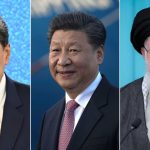




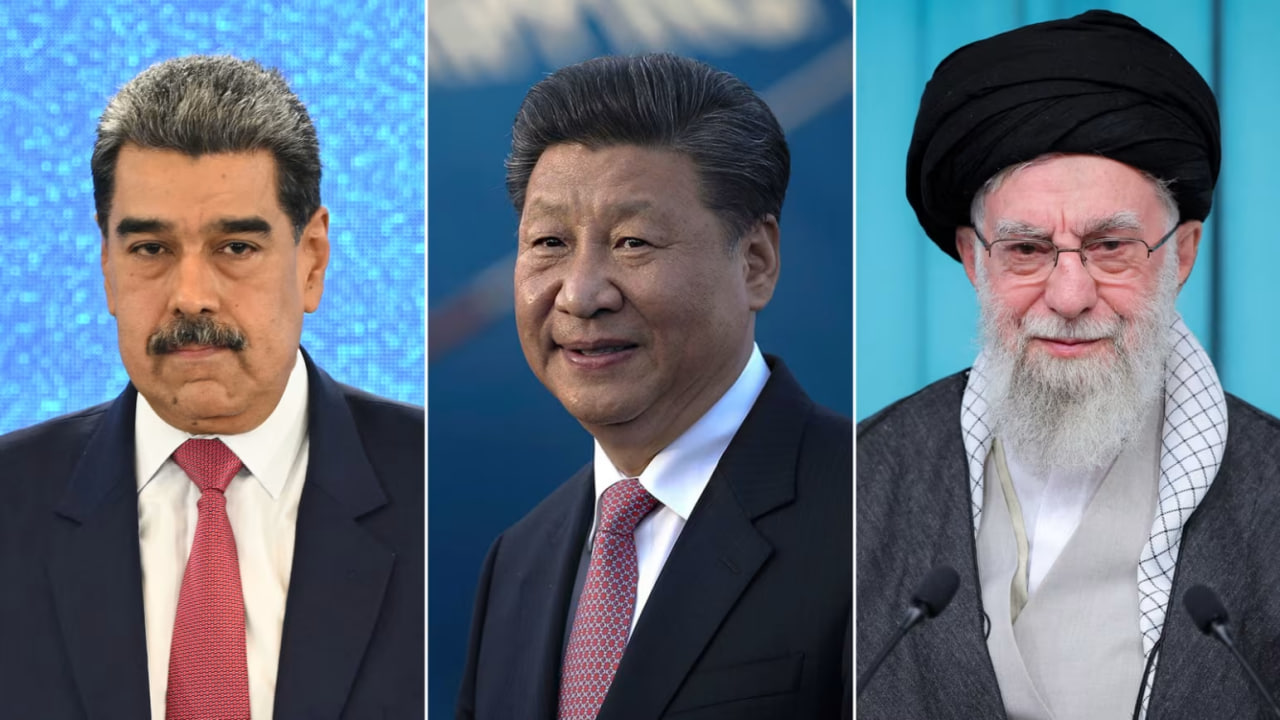
In the past two months, the United States has managed to remove two China-friendly political figures from positions of influence, raising eyebrows across international political circles. Observers expected Beijing to respond decisively, given its strategic partnerships and interests in these regions, yet the response has been surprisingly muted. This discrepancy has prompted analysts to question China’s current approach to global political shifts.
Firstly, the rapid changes in leadership illustrate a growing assertiveness from Washington in countering Beijing’s influence abroad. Both leaders had longstanding ties to China, with policies favoring economic and diplomatic alignment with Beijing. Their removal signals a more aggressive stance by the US in shaping political landscapes that directly affect China’s strategic interests.
Despite these developments, China has largely refrained from public retaliation or strong diplomatic protests. One reason for this may be the nuanced calculus Beijing employs in international relations. Direct confrontation with the US carries substantial risks, including sanctions, diplomatic isolation, and escalation in trade or military domains. Instead, China appears to be opting for a strategy of quiet observation and incremental influence, avoiding overt conflict that could jeopardize its broader global ambitions.
Another factor influencing Beijing’s restraint is the complexity of the local political environment where these leaders operated. Intervening directly in another nation’s internal political affairs could backfire, damaging China’s credibility and reducing its leverage in future negotiations. By adopting a measured response, China can continue cultivating relationships with emerging political actors and maintain influence indirectly through economic and cultural ties.
Furthermore, internal challenges may also constrain China’s capacity for immediate action. Domestic priorities, ranging from economic stability to managing regional tensions, might demand more attention and resources. In this context, Beijing’s silence does not necessarily indicate weakness, but rather a strategic allocation of effort, waiting for the right moment to assert influence more effectively.
Finally, it is worth considering the global perception of China’s international posture. Overreacting to political setbacks could reinforce narratives of China as a coercive power, undermining its soft power initiatives. By staying calm and avoiding a public show of force, Beijing maintains an image of a rational and patient actor on the world stage.
In conclusion, while the removal of two China-friendly leaders by the US is notable, Beijing’s measured response is rooted in strategic patience, risk management, and the pursuit of long-term influence. Understanding this restraint offers a deeper insight into how China navigates complex international dynamics, balancing assertiveness with caution. For more insights on China’s foreign policy and regional developments, visit https://thaichinese.net/thaichineseblog/about/