





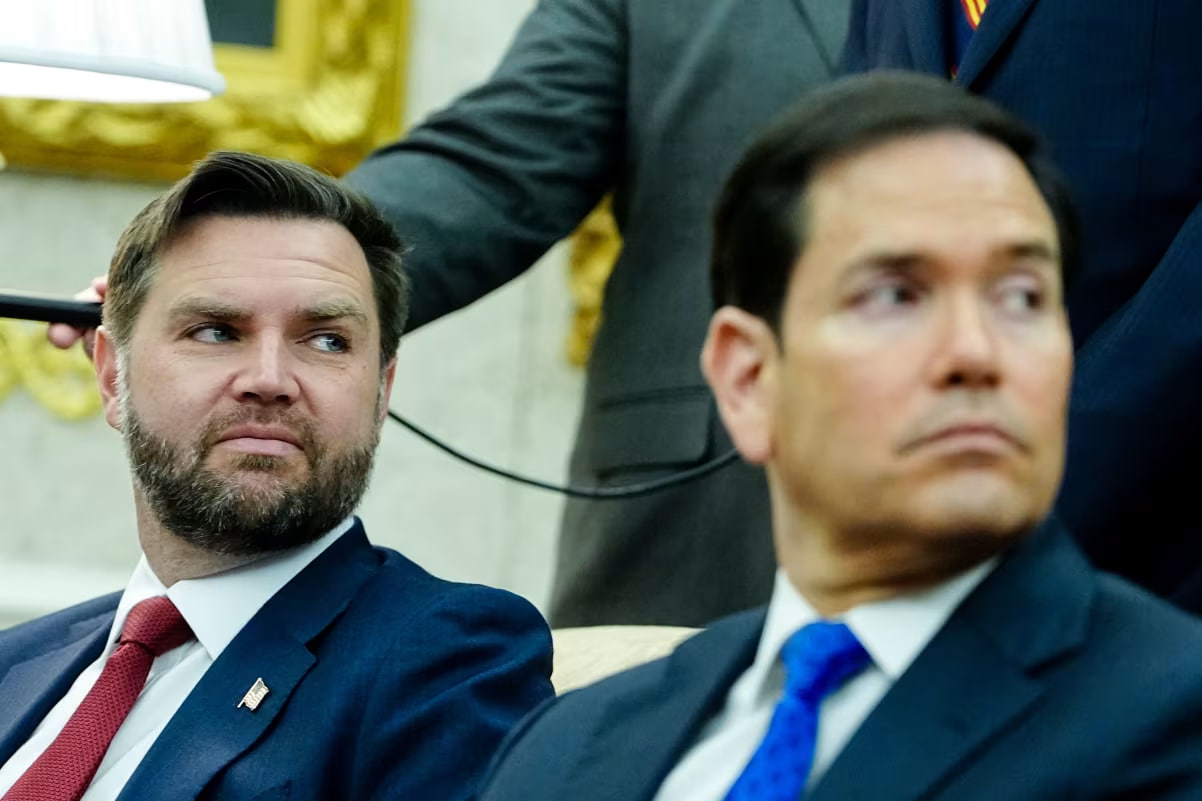
In the ever-shifting landscape of American foreign policy, few dynamics change as quickly as the positions held by key political figures. Recent developments surrounding former President Donald Trump’s inner circle highlight this phenomenon, particularly regarding Iran. Figures like Vance Rubio and several other influential voices once urged caution when discussing potential confrontation with Tehran. Now, however, many of them appear to have aligned more closely with a tougher stance, signaling a significant shift in strategy and messaging.
Initially, the cautious approach reflected a broader concern about the consequences of escalating tensions in the Middle East. Military experts, policy advisors, and some political allies feared that aggressive actions could ignite a wider regional conflict. Iran’s complex network of allies and proxy groups throughout the region made any miscalculation potentially dangerous. During that earlier phase of discussion, Trump’s advisors—including those now changing tone—argued that diplomatic pressure, economic sanctions, and strategic deterrence were more sustainable tools than direct confrontation.
Vance Rubio, once seen as one of the voices advocating restraint, publicly emphasized the importance of evaluating long-term geopolitical consequences. His perspective echoed concerns among several conservative policymakers who believed that American military resources should be carefully allocated and that any conflict with Iran could stretch U.S. commitments across multiple fronts. The emphasis was on avoiding unnecessary escalation while maintaining firm pressure on Tehran regarding nuclear ambitions and regional influence.
However, political dynamics and international developments have gradually altered that outlook. Increasing tensions in the region, reports of proxy conflicts, and rising political pressure from both domestic and international allies have reshaped the conversation. As the geopolitical environment shifted, many within Trump’s orbit began arguing that stronger actions may now be necessary to deter Iranian influence and maintain strategic balance.
Supporters of the tougher position claim that the earlier cautious strategy provided Iran with too much room to maneuver. They argue that a firmer approach sends a clearer message of deterrence and reinforces U.S. credibility among allies in the Middle East. Critics, however, remain skeptical. They warn that abandoning the earlier emphasis on restraint could lead to unpredictable consequences, especially if diplomatic channels become secondary to military posturing.
This transformation in messaging illustrates how political alliances and strategic calculations evolve in response to new circumstances. Advisors who once focused primarily on avoiding escalation may now believe that conditions have changed enough to justify stronger measures. Whether this shift represents a carefully calculated strategy or simply a reaction to political momentum remains a topic of debate among analysts and policymakers.
Observers note that the situation also reflects a broader pattern in Washington: policy positions can move quickly when international events reshape priorities. What once seemed like a cautious consensus can transform into a more assertive posture when leaders believe the geopolitical stakes have increased.
For readers interested in broader discussions about global politics, strategy, and evolving policy debates, additional perspectives can be explored through https://bsbowl.com/ which frequently features commentary and insights on major international developments.
Ultimately, the evolving stance of Vance Rubio and others close to Trump underscores how fluid foreign policy thinking can be. As tensions surrounding Iran continue to develop, the debate over caution versus confrontation will likely remain central to discussions about America’s role in the Middle East.